
Khwansubhanut Banlunara
She/They


I'm a UX Researcher and Designer passionate about interaction design and game-inspired experiences, creating fun, intuitive products that communicate value clearly and connect with users.
She/They
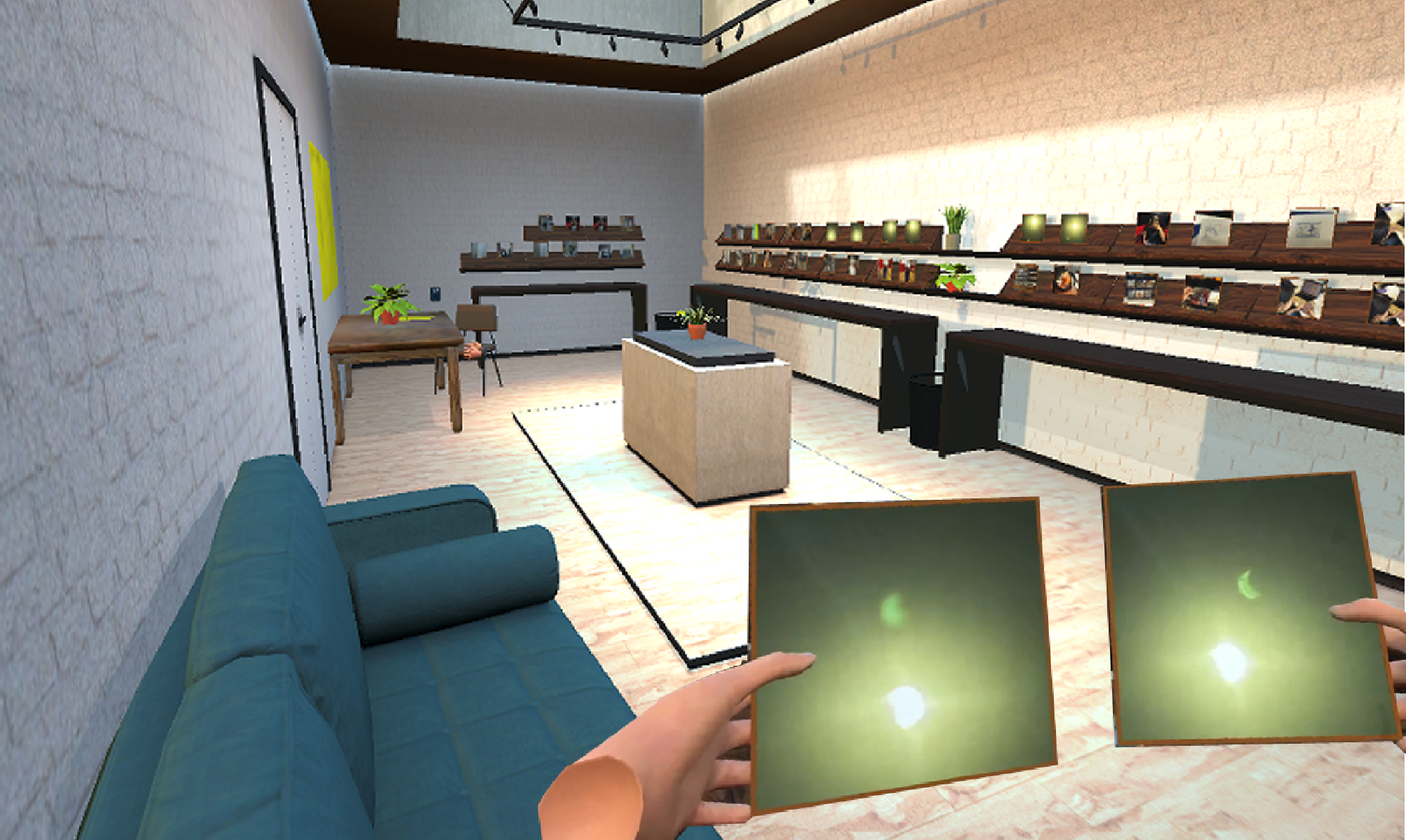
The study examined how VR platform design improves emotional evaluation of confidence, reduces fear of loss, and improves decision-making during digital photo curation. Through a mixed-methods, within-subjects design, 21 participants tested a smartphone gallery, a limited-interaction VR design, and a full-interaction VR design to collect qualitative data. Results showed VR-based platforms improved confidence and reduced fear of loss depending on spatial layout, interaction complexity, and 3D object design, but did not affect emotional attachment. This research fills gaps in applying VR to digital hoarding interventions. It provides design guidelines for spatial layout, interaction, and 3D objects to support emotional evaluation through 3D immersion and reduce reliance on carbon-footprint cloud and AI systems to improve global warming impact.
Academic Major Project: MSc User Experience Design, Loughborough University
Timeline: March 2026 – September 2026
Tools Used: Figma, Godot Engine, SPSS, NVivo, Blender, Jisc, GPower
Information Management has become predominantly digital, alongside Digital Hoarding Behaviour (DHB), the excessive accumulation of digital files that causes stress and disorganisation (Sweeten et al., 2018). DHB stems from emotional attachment, fear of loss, and low self-efficacy (Bravo-Adasme et al., 2026), leading to poor curation, post-decisional insecurity after deletion (Göbel and Niessen, 2025), and false comfort in keeping photos (Kanungo et al., 2022).
Current generations use smartphones to build personal digital photo repositories (Bergman et al., 2022). On-device AI reduces cognitive engagement and organisational skills (Moore and Gerlich, 2025) while raising concerns over memory accuracy (Köseoğlu, 2026); the formlessness of virtual possessions further lowers control over 2D archive management (Odom et al., 2014), and AI/cloud storage carries high environmental costs (Kim et al., 2025; Tu et al., 2023). Manual organisation training remains beneficial for adapting to prediction errors (Bubic, 2010) and improving retrieval (Bergman et al., 2022), and VR tools can support this.
However, VR studies mainly focus on hardware and interaction efficiency in memory retrieval, without comparing systems or examining confidence and emotion in 3D spatial organisation (Schleußinger, 2021). This research explores that gap: VR’s mind palace and 3D space show strong potential as organisational tools (Krokos et al., 2019). Despite screen-based 3D interfaces hindering retrieval (Cockburn and McKenzie, 2002), VR suggests that its characteristics can influence emotion, engagement, and confidence:
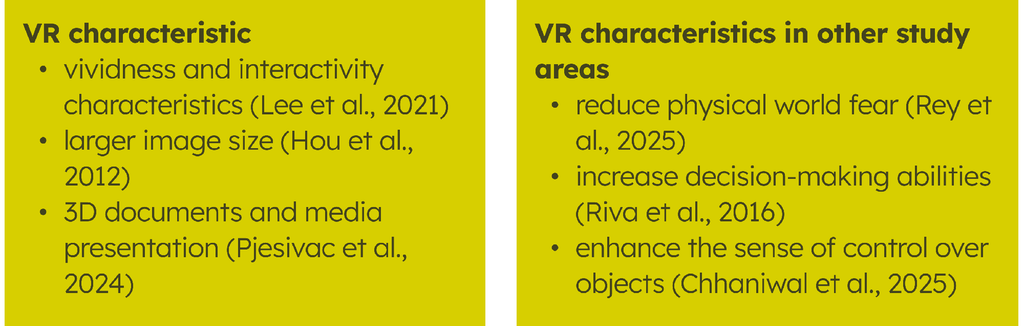
This presents an opportunity to explore which platform best supports confidence, manages emotional attachment, and reduces fear of loss when curating personal digital files.
This paper aims to determine the most effective platform for influencing users’ confidence, managing emotional attachment, and reducing fear of loss when curating personal digital files. To address this problem, it is necessary to understand:
What is the most effective platform (Smartphone, Limited-Interaction VR, and Full-Interaction VR) to be an organising tool to influence users’ confidence, manage emotional attachment, and reduce fear of loss during the curation of personal digital files?
RQ1. Does the interaction medium influence users’ confidence when curating personal digital files?
RQ2. Does the interaction medium influence the management of emotional attachment when curating personal digital files?
RQ3. Does the interaction medium influence the reduction of fear of loss during the curation of personal digital files?
The prototype is designed around the overall task of curating 60 photos within 15 minutes; this time and photo count are based on low-fi prototype calculations and the average time (29 minutes) from Hellmich & Dinneen’s study (2025). The main prototypes that are used to test in this study are:

I used sketches and ‘How-might-we’ iterations to explore layout and interaction possibilities that serve the task’s purpose. The Hick’s (1952) theory guided the development of fewer physical steps and lower cognitive load.

Then, I turned the selected sketches into low-fi prototypes, using a headset to capture the photo-curating process in the real world and testing the interaction in minimal space. Then, evaluated them through heuristic evaluation and used the results to select and design a mid-fi prototype; users can pick up, compare, and discard photos, providing space for the curation process.

After the low-fi prototype, I used Godot Engine 4.6, which supports pick-up and walking interactions. To evaluate the curation space design, environment, and photo processing in the VR application, I tested the prototype with 3 participants to create usability reports, prioritise usability issues, and improve the immersive experience in the Hi-fi prototype.

Design
This study uses a convergent mixed-methods design, collecting within-subjects qualitative data for in-depth emotional data suitable for analysis, and quantitative data for supporting evidence from three prototypes.
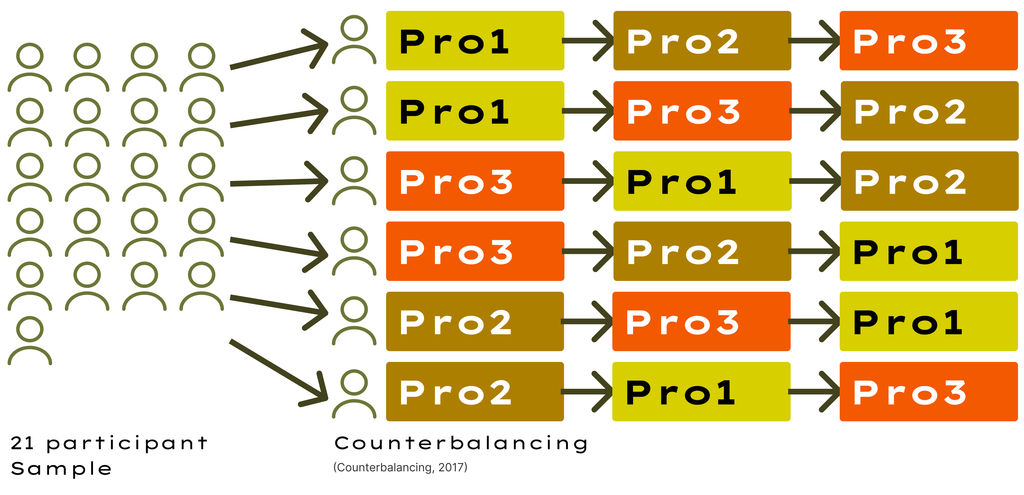

Procedure
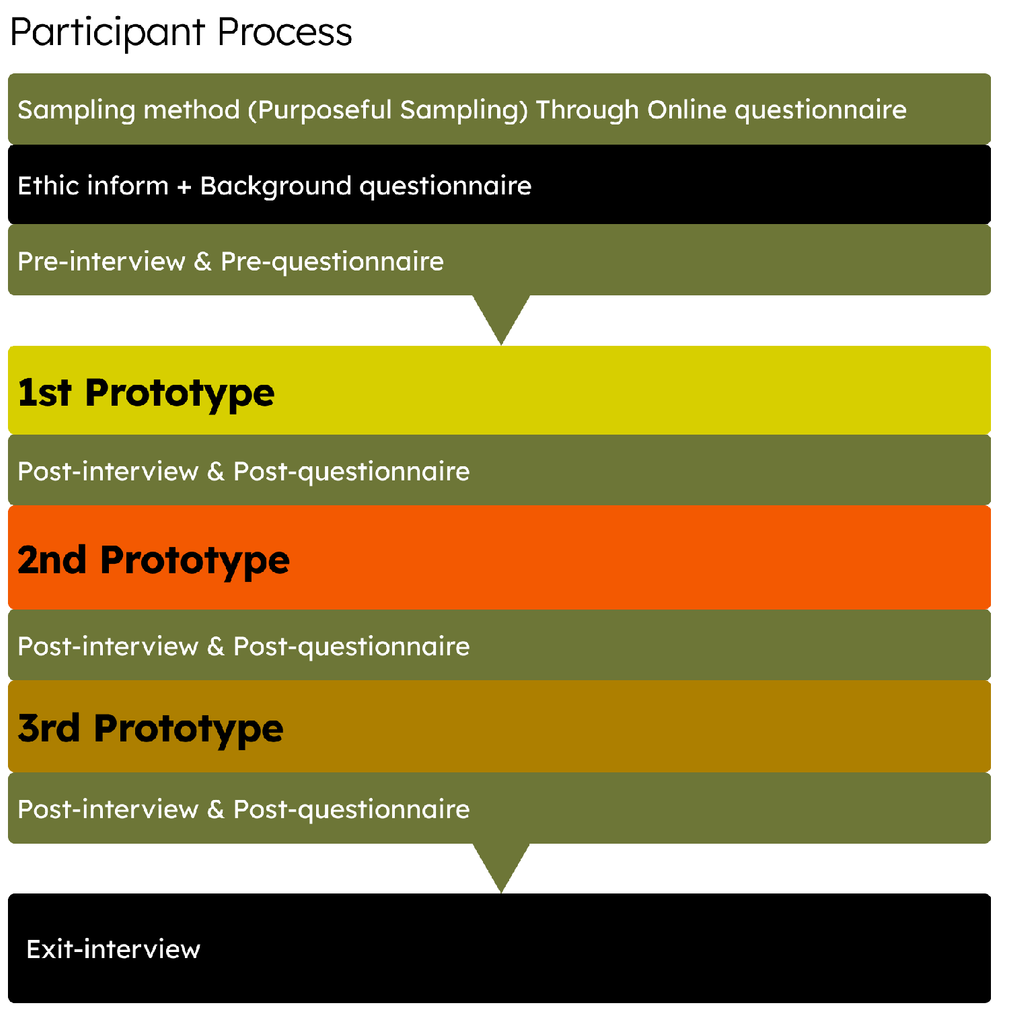
Data collection
Based on each dependent variable, this study mainly collects qualitative data with the support of quantitative data:
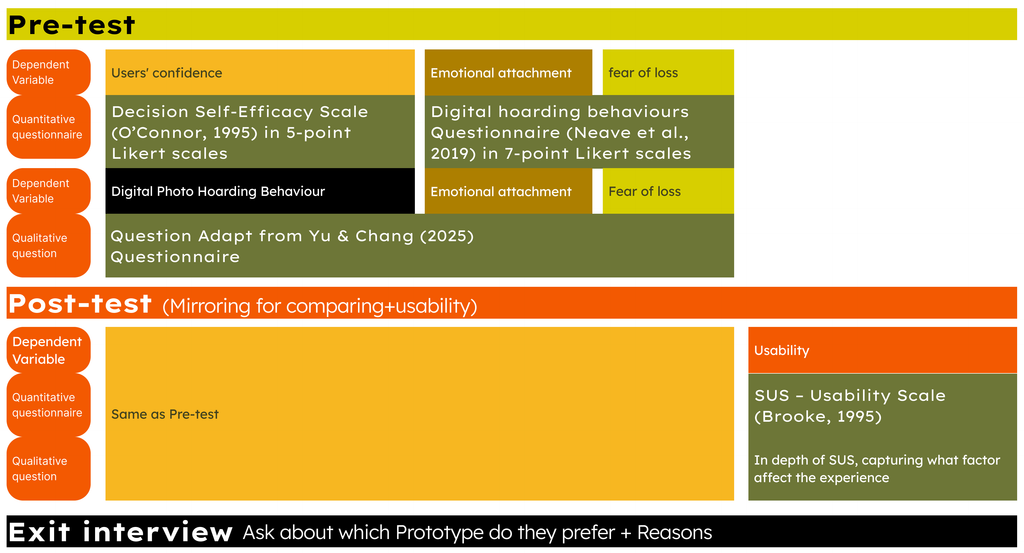
Analysis
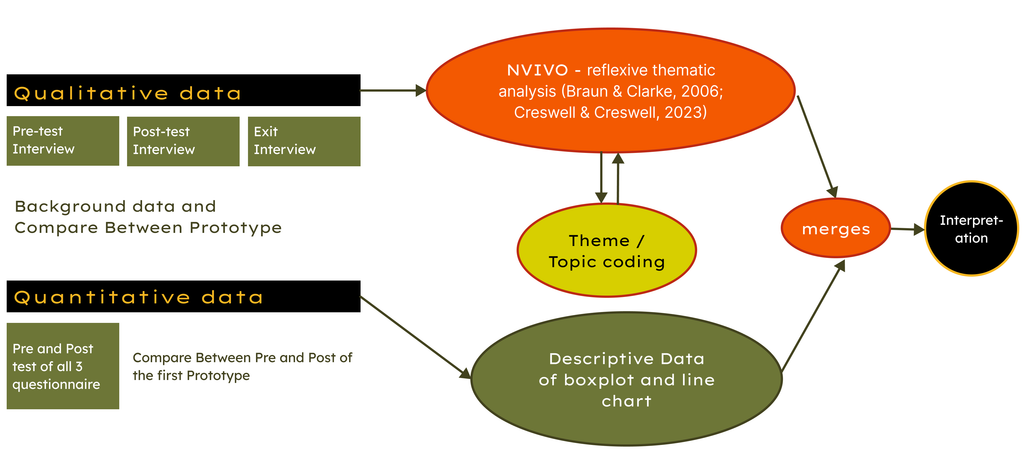
RQ1: Does the interaction medium influence users’ confidence when curating personal digital files?
Result: Interviews and quantitative data suggest that Full-interaction VR can increase confidence in the photo curation process due to factors such as:
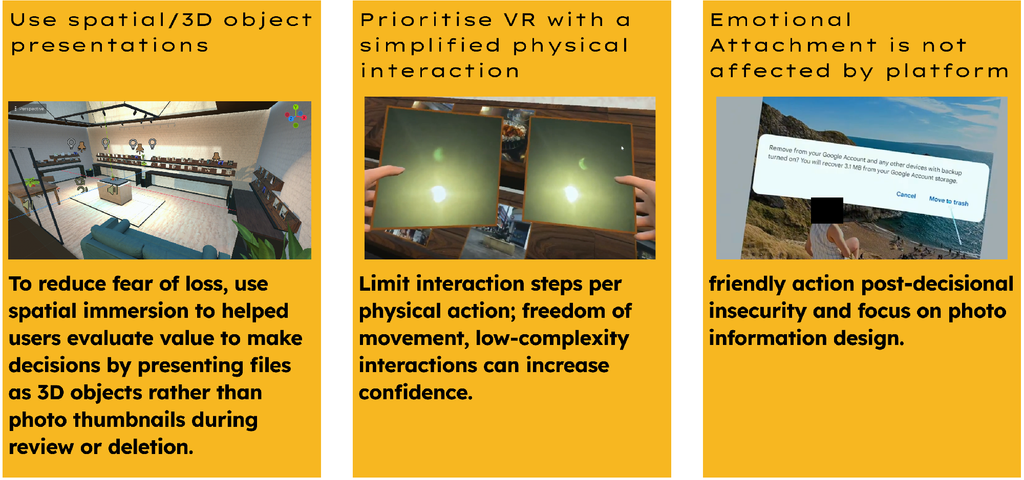
Discussion: To increase users’ confidence when curating personal digital files, designers should use Pro3 and consider 3D objects, interaction and layout design.
RQ2: Does the interaction medium influence the management of emotional attachment when curating personal digital files?
Result: Platforms and Interaction are unlikely to affect emotional attachment to personal photos. Participants said emotional attachment likely depends on the photo’s content.
Discussion: Emotional attachment doesn’t seem driven by the platform or interface, but by a photo’s meaning. Designers should treat this factor separately when designing tools for visualising photo information.
RQ3: Does the interaction medium influence the reduction of fear of loss during the curation of personal digital files?
Result: Full-interaction VR is likely to reduce fear of loss during photo curation. The qualitative and descriptive quantitative findings are correlated with each other and suggest that there is a factor that helps reduce fear:
Discussion: To reduce users’ fear of loss when curating personal digital files, designers should use Full-interaction VR and consider immersion and interaction design, as vividness, interactivity, and immersive VR documents influence engagement and suppress fear.
Lastly, to answer the main question: What is the most effective platform (Smartphone, Limited-Interaction VR, and Full-Interaction VR) to be an organising tool to influence users’ confidence, manage emotional attachment, and reduce fear of loss during the curation of personal digital files?
VR-based platforms can effectively evaluate emotions, reduce fear of loss, and increase confidence, depending on the customisation of spatial layout, the level of interaction complexity, and the design of 3D objects. However, the platform does not change emotional attachment.
In practice, designers should consider designing beyond 2D interface tools; matching platform capabilities to the design can increase emotional effectiveness in addressing the specific causes of DHB.
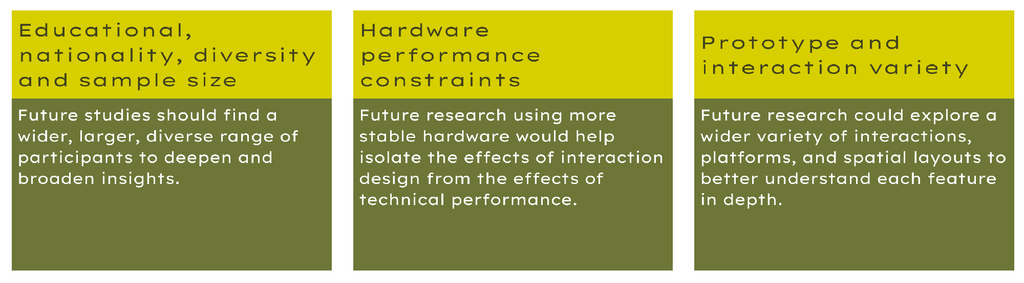
Thank you for reading


Mechani-crawl is an AI-powered matchmaking app that helps older adults meet, learn, and build real companionship, inspired by the “pub crawl” concept. AI matches users into small groups based on shared interests, skills, and location to learn about smart meters and LCT (Load Control Technology) alongside real experts, unlock challenge workshops, and gain the skills to install LCT at home, helping users manage household energy costs and benefit their family by creating a greener future.
The project is associated with Henrie UK.
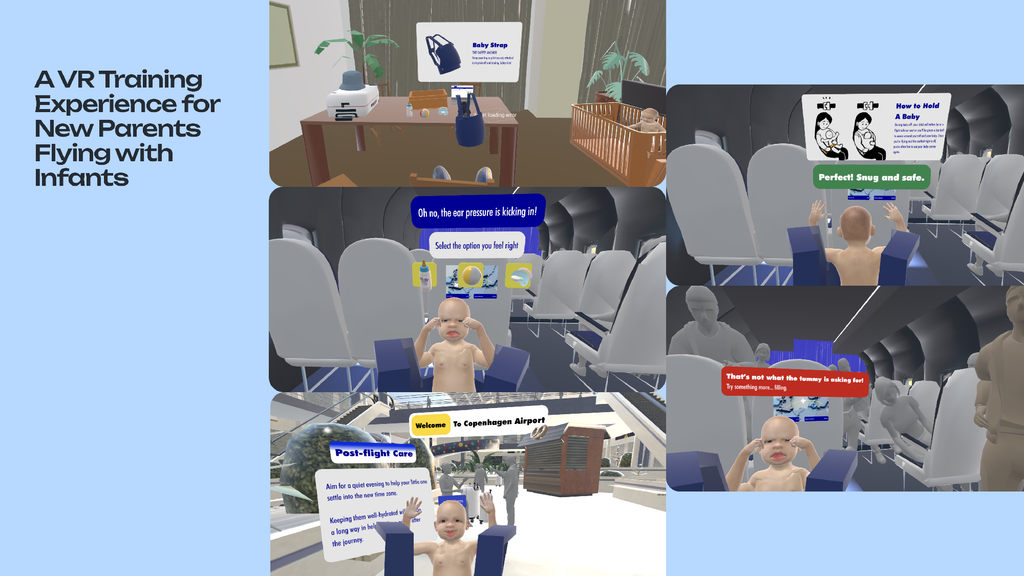
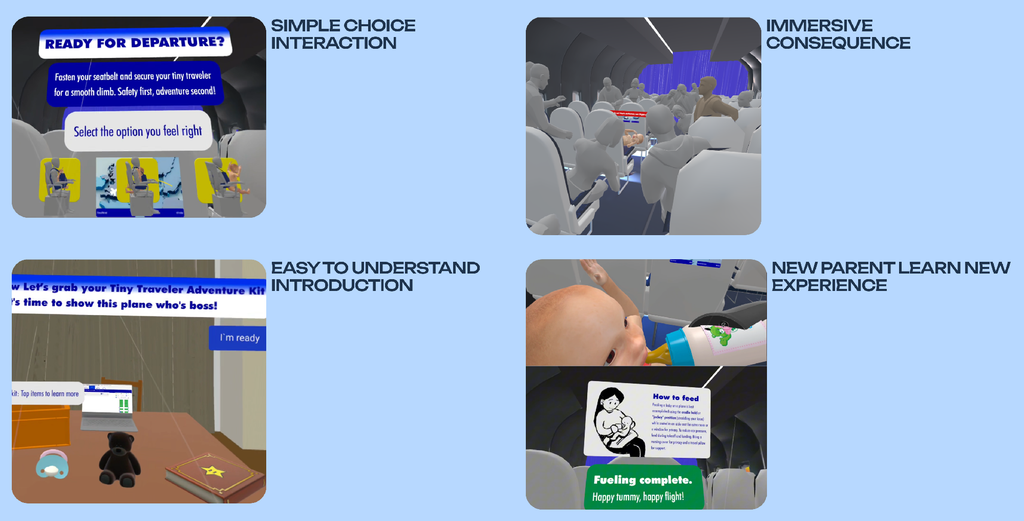
Ready for Takeoff is a VR training experience designed for first-time parents preparing to fly with infants. Through immersive simulation, it helps parents build the confidence and practical knowledge needed to handle common in-flight challenges, from soothing a crying baby to managing feeding, diaper changes, and unexpected turbulence, before they ever step on a plane.